

Bus Simulator 27 is getting more attention than many expected, and this update gives players a clear reason to watch it. New coach bus support and larger city routing options can shift this from a niche sim to a stronger long term lane for players who enjoy progression based driving games.
What Changed and Why It Matters
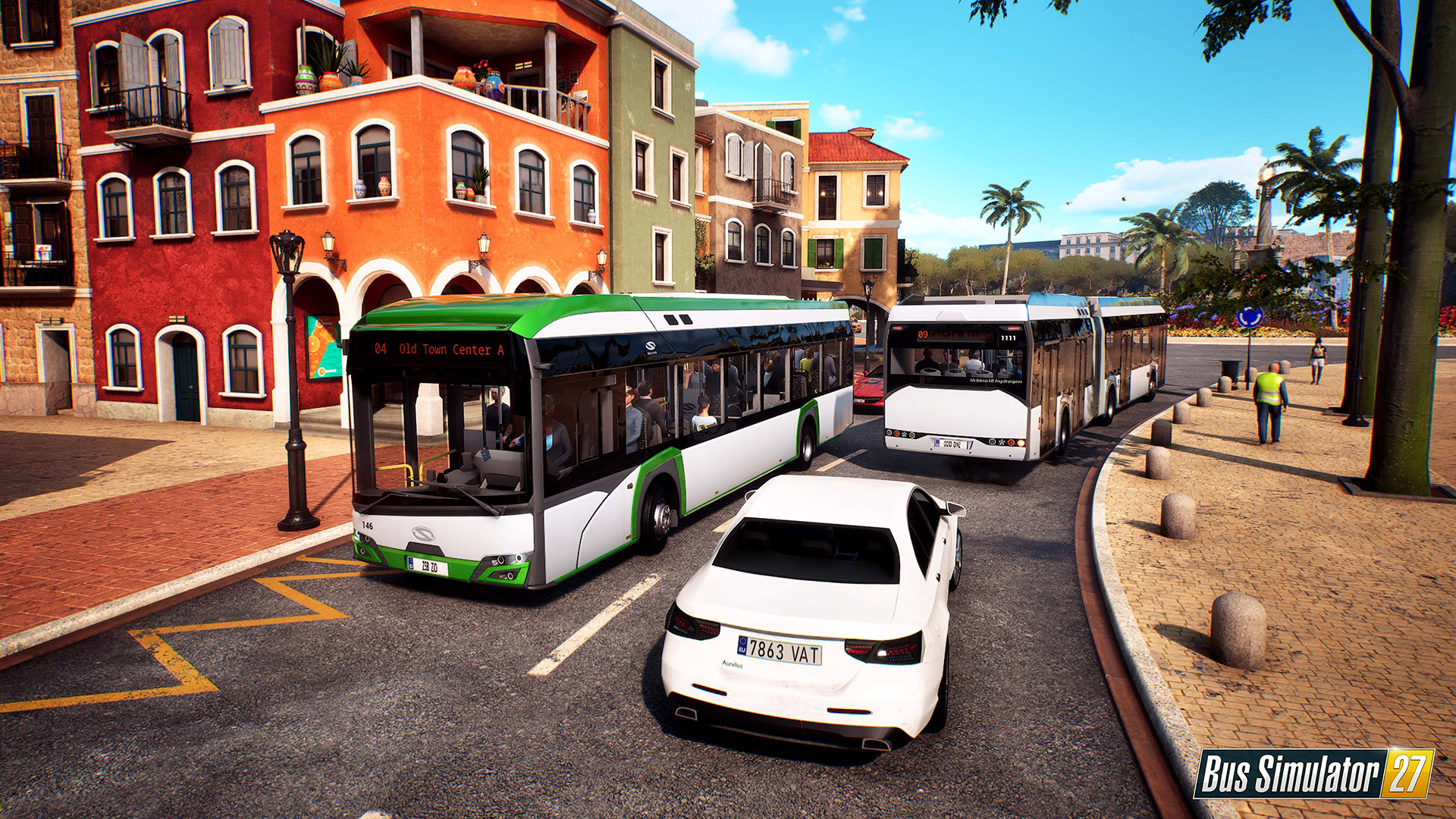
The headline additions are Solaris and coach bus entries plus expanded route design. Those are not cosmetic upgrades. They change how route planning, passenger flow, and schedule pressure feel over long sessions. More vehicle variety means more role choice, and that usually improves retention in simulation games.
For players who like optimization loops, these changes open better strategy depth. You can run tighter route logic, build service tiers, and tune operations for consistency instead of relying on one repetitive loop.
Who This Update Is For
If you prefer high speed action titles, this will still feel slower by design. But if you like management pressure, route efficiency, and a steady progression curve, Bus Simulator 27 now looks more competitive than earlier versions in the category.
Content creators also get stronger material. A broader vehicle set and longer route complexity creates better challenge formats, guide content, and repeatable streams for simulation audiences.
How To Approach Launch Week
Go in with a systems mindset. Start by learning one route family, then test coach capacity and schedule timing under load. Avoid trying to optimize everything in one pass. The best outcomes usually come from staged tuning and short benchmark sessions.
If multiplayer or community systems get stronger support around this release, expect user created route guides and shared optimization playbooks to appear quickly.
Bottom Line
Bus Simulator 27 looks like a meaningful step forward for transport sim players. The new buses and route scale upgrades are practical improvements, not filler. If the team delivers stable performance and good progression pacing, this title can hold a durable audience in the sim segment.
Source links: Xbox Wire announcement . Steam
Performance and QoL Expectations
The biggest risk for simulation titles is not content quantity, it is stability during longer sessions. If route transitions, UI clarity, and save behavior are clean at launch, players tend to commit for months. If those fail, churn rises fast.
That is why this update cycle is important. It needs to prove that bigger route systems can run smoothly while still giving players readable dashboards and useful management controls.
Content Strategy for VORT3X Readers
For VORT3X, this is a strong guide friendly title. We can build route optimization posts, vehicle role breakdowns, and beginner setup walkthroughs that hold search value over time. Simulation audiences reward practical content, especially when it saves them time.
If you are new to the genre, start with a low complexity route and focus on consistency. Once your baseline is stable, scale one variable at a time so you can isolate what improves outcomes.
What To Watch Next
Watch patch cadence in the first two weeks. Fast bug response and transparent changelogs are usually the strongest sign that a sim title will keep momentum. If that happens, Bus Simulator 27 can become a reliable evergreen lane for creators and players.
Internal links: VORT3X home . Gaming news . PC gaming